

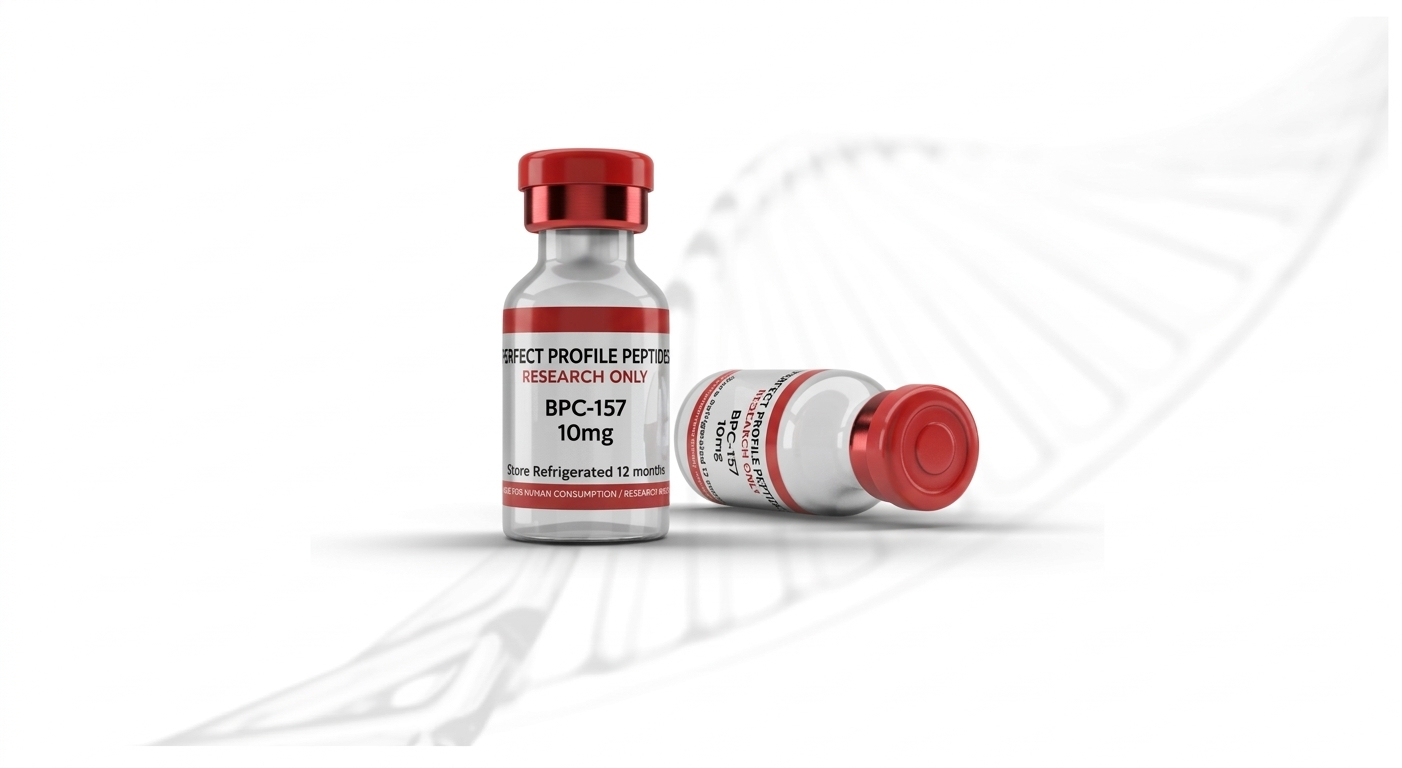
High Quality Research Peptides
We supply high-grade research peptides to professionals who demand consistency, precision, and reliability.
Our products are manufactured to rigorous standards in advanced laboratory environments, achieving exceptional purity levels to support accurate and dependable research outcomes. Every stage — from production to storage — is carefully controlled, with temperature-monitored systems in place to preserve product stability and integrity.
We’re committed to delivering not only quality, but trust — supporting researchers, clinics, and organisations with products they can confidently rely on, alongside responsive, professional service.
Our focus is simple: uncompromising quality, transparent standards, and long-term partnerships within the research space
International Delivery
At Perfect Profile Peptides we provide fast and reliable shipping options to our international customers.
Research Only
It is essential to note that our peptides are for research purposes only and should not be used for human consumption.
Track & Trace
Once you place your order we will keep you updated through email or SMS.
Featured Products
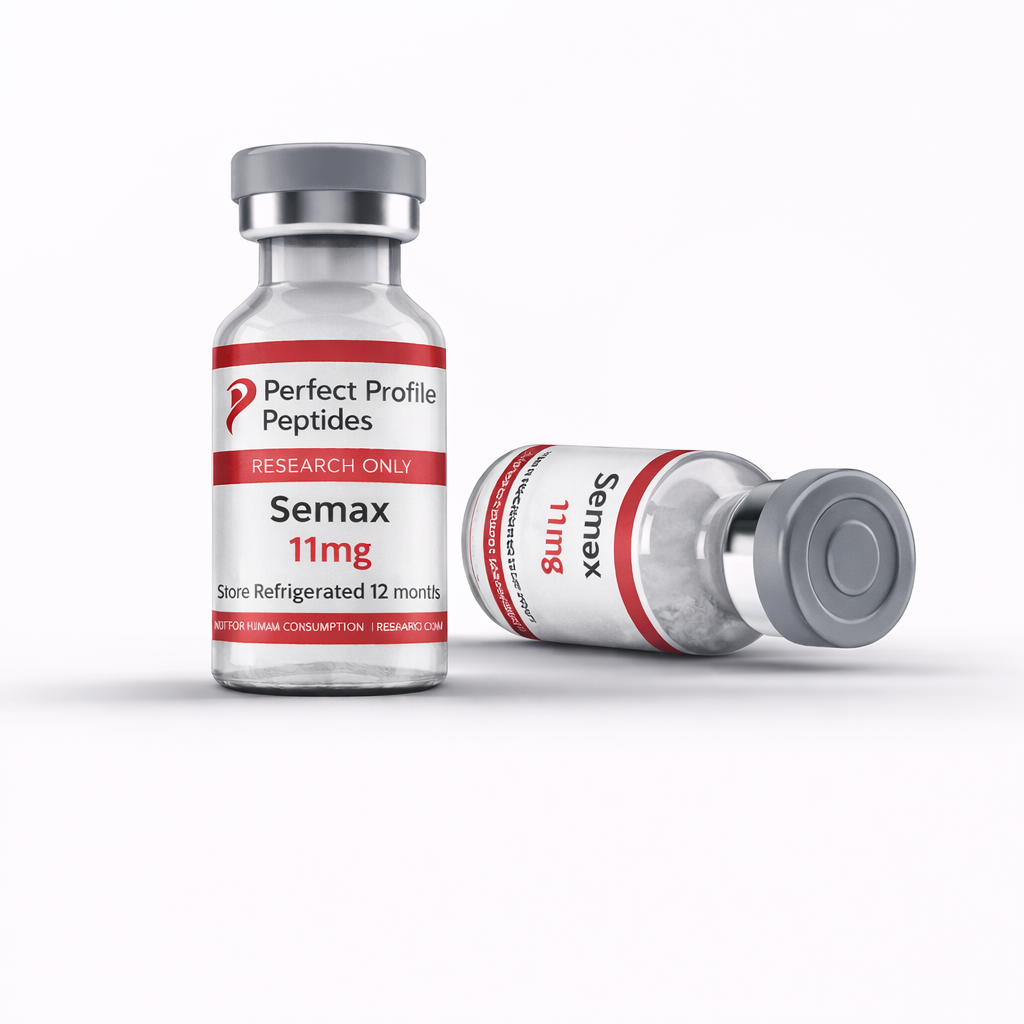
Semax | Research Peptide
Semax is a synthetic heptapeptide derived from the adrenocorticotropic hormone fragment ACTH(4–7), extended with a C-terminal Pro–Gly–Pro sequence to improve metabolic stability. Developed as a research tool for investigating neuropeptide signalling and central nervous system regulatory pathways, it is widely used in experimental models exploring neurotrophic factor interactions, synaptic plasticity, and stress-response biology at the molecular level.
Research Applications
Semax is used as a molecular probe across a range of neuroscience research contexts, including studies into neuropeptide-mediated signalling, neurotrophin gene expression, neurotransmitter system modulation, and CNS-active peptide analogue behaviour. It is also employed as a reference compound in investigations of synaptic plasticity and stress-related molecular mechanisms. Observed responses are dependent on experimental design, model system, and peptide concentration.
Reconstitution
Reconstitute in sterile water or a suitable buffered aqueous solution under dry conditions — the peptide is hygroscopic and should be handled accordingly. Mix gently without vigorous agitation. Filter sterilise through a 0.22 µm membrane if required. Once reconstituted, aliquot into single-use volumes and store at −20°C or below. Avoid repeated freeze-thaw cycles to preserve peptide integrity.
Important Notice
All products supplied by Perfect Profile Peptides are intended strictly for in vitro and laboratory research use only. They are not suitable for human or veterinary administration and should be handled in accordance with standard laboratory safety protocols.
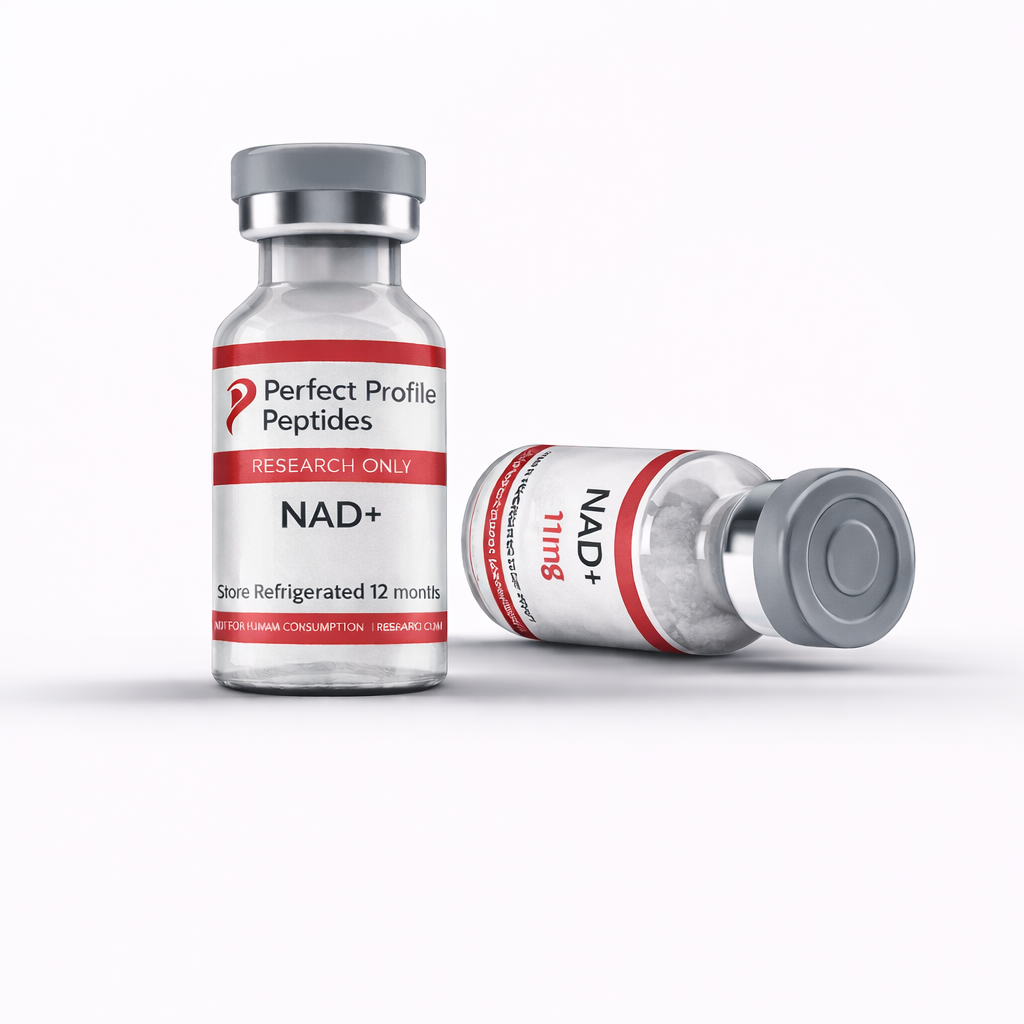
NAD⁺ (Nicotinamide Adenine Dinucleotide) | Research Compound
NAD⁺ is an endogenous pyridine nucleotide coenzyme that plays a central role in cellular redox chemistry and metabolic signalling. As a key electron carrier in processes including glycolysis, oxidative phosphorylation, and mitochondrial energy production, it is one of the most studied molecules in cellular biology. In research settings, NAD⁺ is also investigated for its role as a substrate for enzyme families including sirtuins, PARPs, and cyclic ADP-ribose synthases — pathways linked to DNA repair, chromatin regulation, and calcium signalling.
A note on appearance: NAD⁺ solutions can range from colourless to light yellow depending on concentration and light exposure. This is a normal characteristic of the compound and does not affect quality or purity.
Research Applications
NAD⁺ is used across a broad range of laboratory contexts, including studies into cellular redox balance and mitochondrial function, NAD⁺/NADH ratio dynamics, NAD⁺-dependent enzyme activity (sirtuins, PARPs), and metabolic homeostasis. It is also widely employed as a reference compound in enzymology and in vitro metabolic research models.
Handling & Stability Notes
NAD⁺ is sensitive to temperature fluctuation, hydrolysis under acidic or alkaline conditions, and light exposure. To maintain integrity:
Store sealed, in a cool dry location away from direct light
Avoid repeated temperature cycling — allow cold vials to reach room temperature before opening
In cold conditions, crystallisation within the vial may occur; this is a known physical property of nucleotide compounds and does not indicate a quality defect
Once opened, use within 30 days
Shelf life from production: 30 months (unopened)
Important Notice
All products supplied by Perfect Profile Peptides are intended strictly for in vitro and laboratory research use only. They are not suitable for human or veterinary administration and should be handled in accordance with standard laboratory safety protocols.
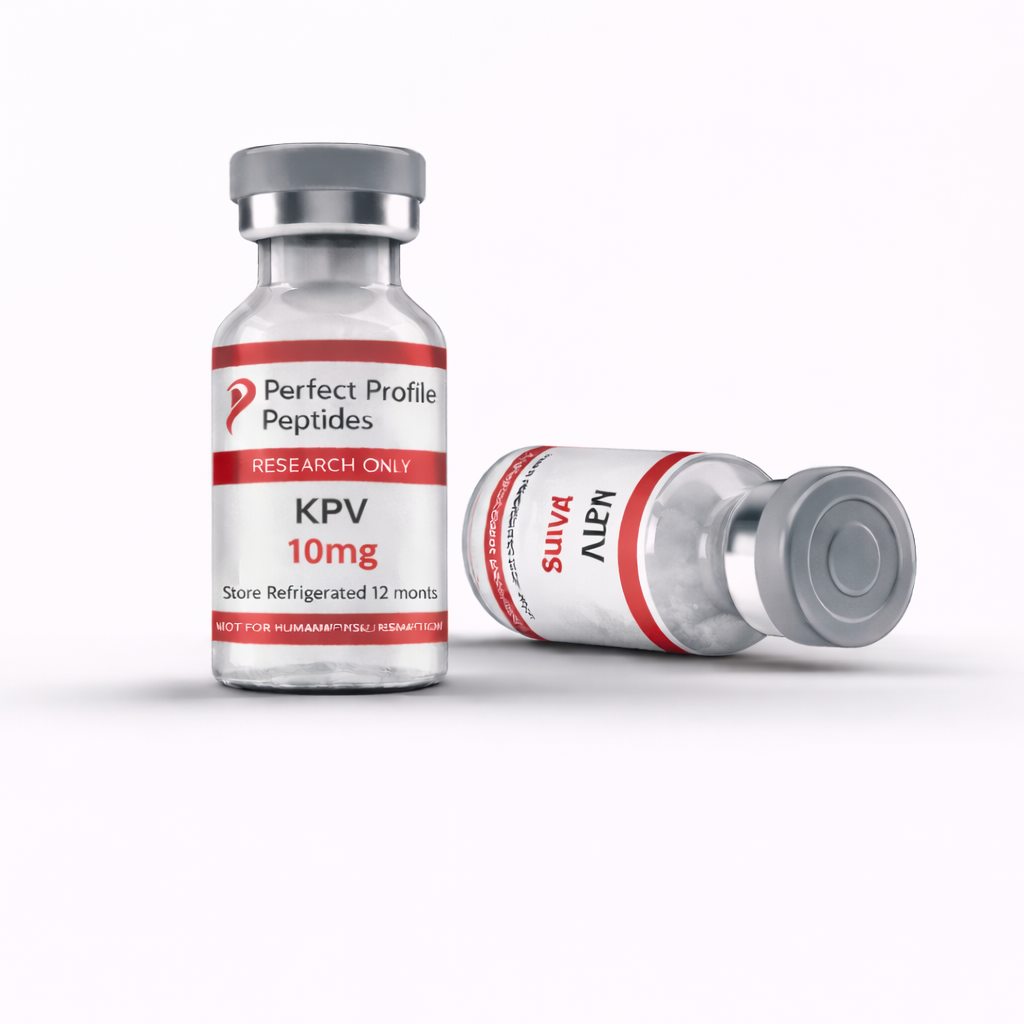
KPV (Lys–Pro–Val) | Research Peptide
KPV is a synthetic tripeptide corresponding to the C-terminal fragment of α-melanocyte-stimulating hormone (α-MSH 11–13). As the minimal bioactive fragment of α-MSH, it is used in research settings to investigate melanocortin-associated signalling independently of the full-length parent peptide, offering a precise and well-characterised molecular tool for studying short peptide-mediated signalling behaviour.
In biochemical and cellular research systems, KPV has been studied for its interactions with melanocortin-related pathways and downstream intracellular signalling mechanisms associated with immune modulation and inflammatory responses. Experimental studies typically examine both receptor-independent and receptor-associated signalling effects, transcriptional responses, and peptide stability under controlled conditions. It is worth noting that short peptide fragments can exhibit signalling profiles distinct from their parent hormones, and findings should be interpreted with this in mind.
Research Applications
KPV is employed as a molecular probe across a range of melanocortin and immunology research contexts, including studies into melanocortin-related signalling pathways, peptide-mediated modulation of inflammatory and immune-associated cellular responses, short peptide signalling dynamics and stability, and α-MSH fragment activity. It is also used as a reference compound in melanocortin receptor research where a minimal active fragment is preferable to the full-length peptide. Observed molecular responses are dependent on experimental design, concentration, and model system.
Reconstitution
Reconstitute in sterile water or a suitable buffered aqueous solution under dry conditions — the peptide is hygroscopic and should be handled accordingly. Mix gently and avoid vigorous agitation. Filter sterilise through a 0.22 µm membrane if required prior to use. Once reconstituted, aliquot into single-use volumes and store at −20°C or below. Avoid repeated freeze-thaw cycles to preserve peptide integrity.
Important Notice
All products supplied by Perfect Profile Peptides are intended strictly for in vitro and laboratory research use only. They are not suitable for human or veterinary administration and should be handled in accordance with standard laboratory safety protocols.
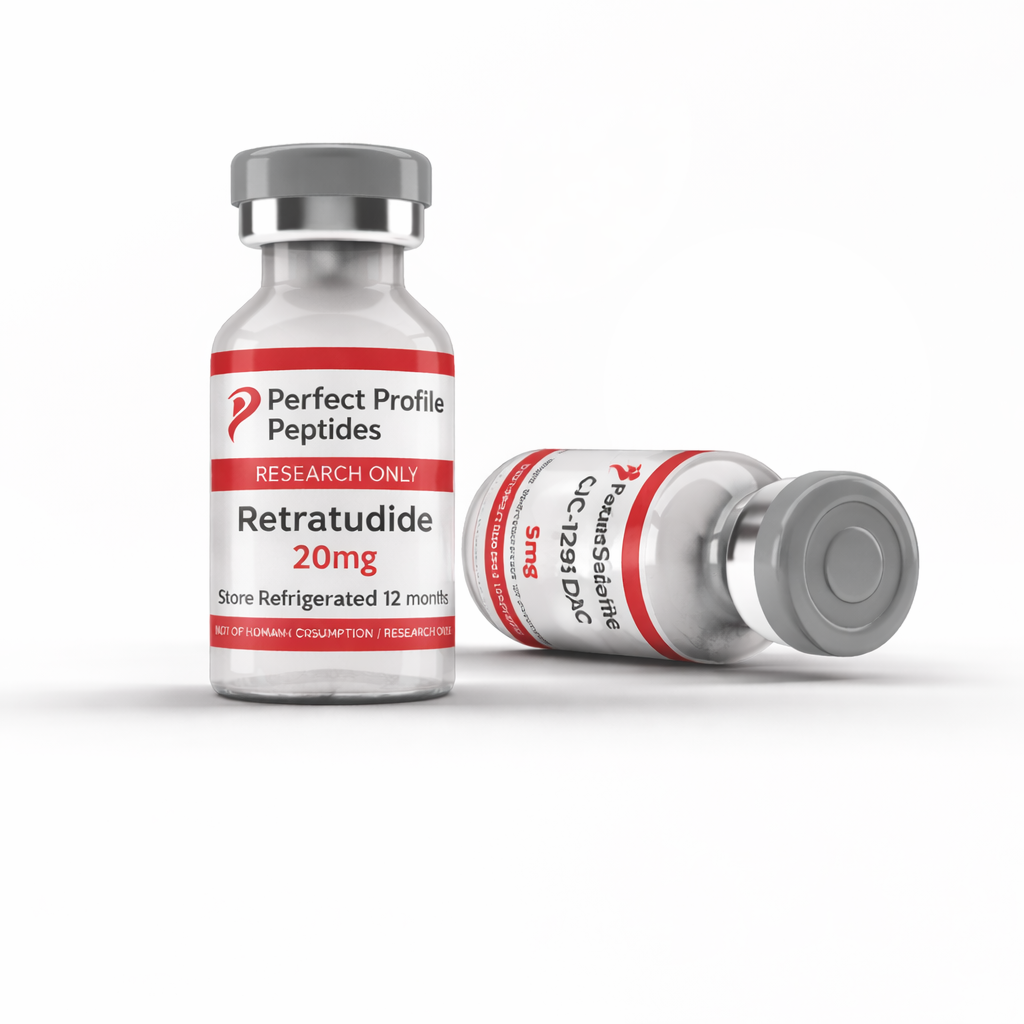
Retatrutide is a triple agonist peptide targeting GLP-1, GIP, and glucagon receptors, studied for its powerful weight reduction and metabolic improvement potential.
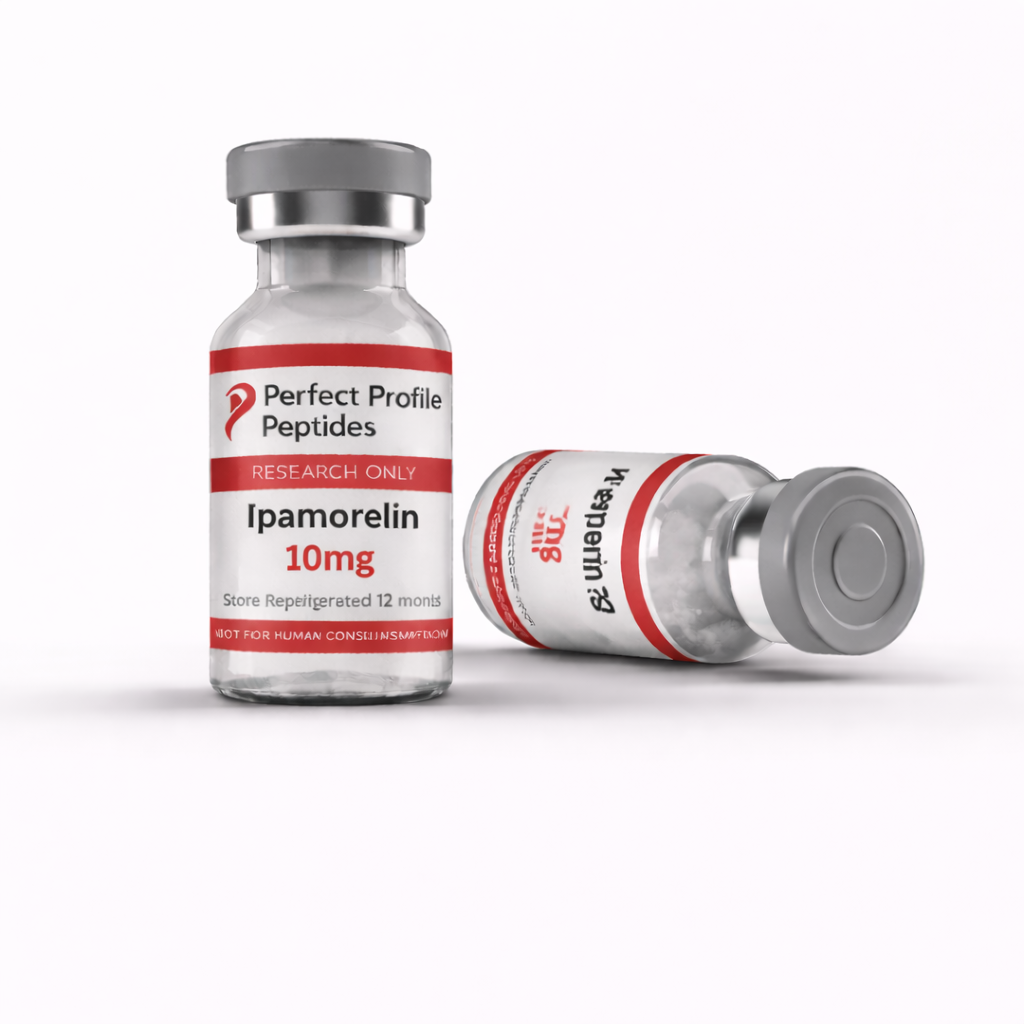
Ipamorelin | Research Peptide
Ipamorelin is a synthetic pentapeptide and selective ghrelin receptor agonist (GHSR-1a), developed as a research tool for investigating growth hormone secretion pathways. As one of the first GHSRPs to demonstrate true selectivity — stimulating GH release without activating the HPA axis or elevating cortisol and ACTH — it remains a widely referenced compound in neuroendocrine and pituitary research.
Research Applications
Ipamorelin is used across a range of laboratory settings, including studies into GHSR-1a receptor binding and signalling, comparative GHRP research, GH/IGF-1 axis regulation, and pituitary somatotroph function. Its selectivity profile makes it particularly useful as a reference compound where HPA axis interference would confound results.
Reconstitution
Reconstitute in sterile water or a suitable buffered solution. Handle gently — avoid vigorous mixing. Once reconstituted, aliquot into single-use volumes and store at −20°C. Minimise freeze-thaw cycles to preserve stability.
Important Notice
This product is supplied strictly for in vitro and laboratory research use. It is not intended for human or veterinary administration, and should be handled in accordance with standard laboratory safety protocols.
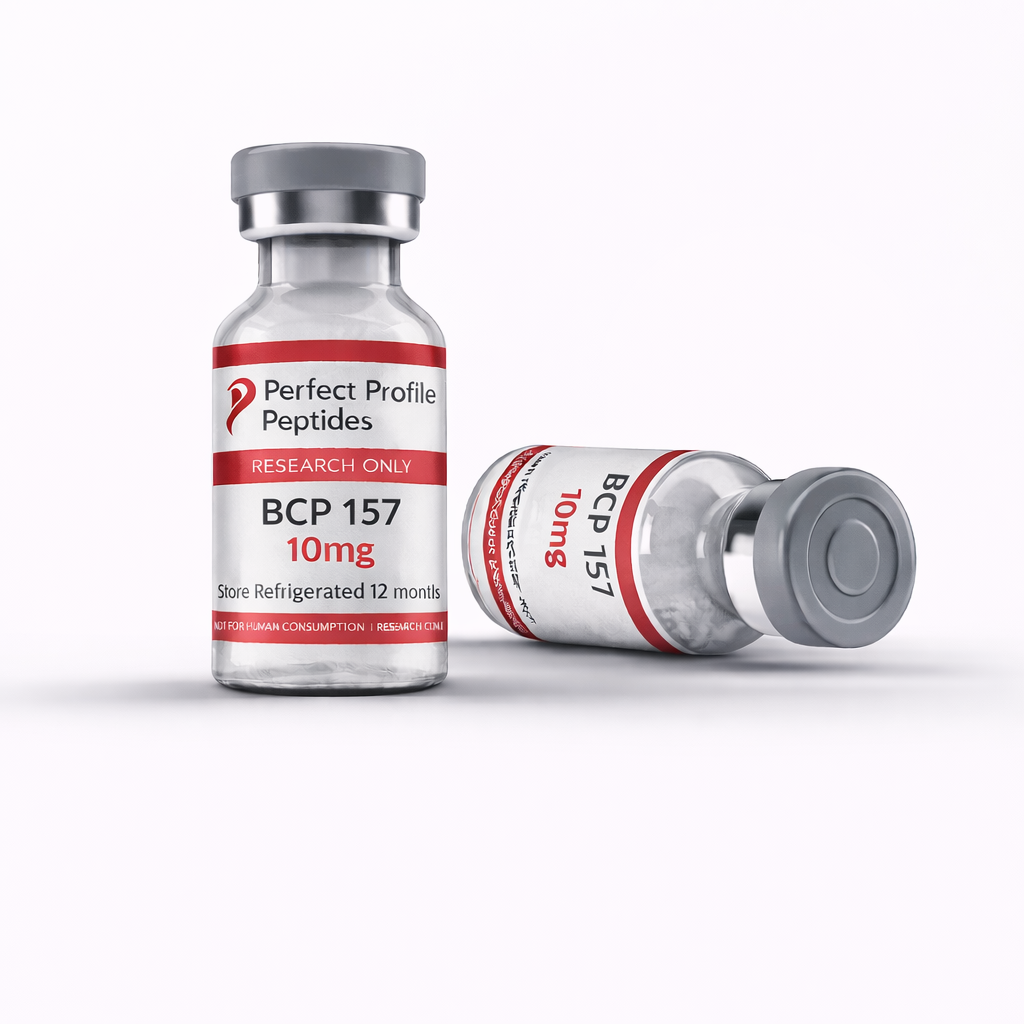
BPC-157 is a synthetic pentadecapeptide consisting of fifteen amino acids, corresponding to a defined sequence originally identified within a gastric-derived protein. As a discrete, reproducible compound with well-characterised physicochemical properties, it is used across biochemical, cellular, and preclinical experimental systems as a molecular probe for investigating short peptide-mediated signalling behaviour.
In research models, BPC-157 has been reported to interact with multiple intracellular signalling pathways, including nitric oxide-associated mechanisms, growth factor-related signalling, and cytoskeletal regulatory processes. Observed responses are highly dependent on experimental conditions, concentration, exposure duration, and model system, and findings should be interpreted accordingly.
Research Applications
BPC-157 is employed as a molecular tool across a range of in vitro and preclinical research contexts, including studies into short peptide-mediated signalling pathways, intracellular signalling networks involving nitric oxide and growth factor-related mechanisms, cytoskeletal organisation, and cell-matrix interaction dynamics. Due to its reported interaction with multiple signalling pathways, it is particularly useful in mechanistic investigations of oligopeptide signalling behaviour where broader pathway mapping is the research objective.
Reconstitution
Reconstitute in sterile water or a suitable buffered aqueous solution under dry conditions — the peptide is hygroscopic and should be handled accordingly. Mix gently and avoid vigorous agitation. Filter sterilise through a 0.22 µm membrane if required prior to use. Once reconstituted, aliquot into single-use volumes and store at −20°C or below. Avoid repeated freeze-thaw cycles and prolonged exposure to light or elevated temperatures, as these will reduce stability.
Additional Notes
BPC-157 (PL-14736) is listed by the World Anti-Doping Agency (WADA) under the S0 category of prohibited substances as of 2022. This designation relates to competitive sport regulation and is entirely separate from its status as a laboratory research compound.
Due to its reported interaction with multiple signalling pathways, appropriate experimental controls are strongly recommended when designing assays using this compound.
Important Notice
All products supplied by Perfect Profile Peptides are intended strictly for in vitro and laboratory research use only. They are not suitable for human or veterinary administration and should be handled in accordance with standard laboratory safety protocols.
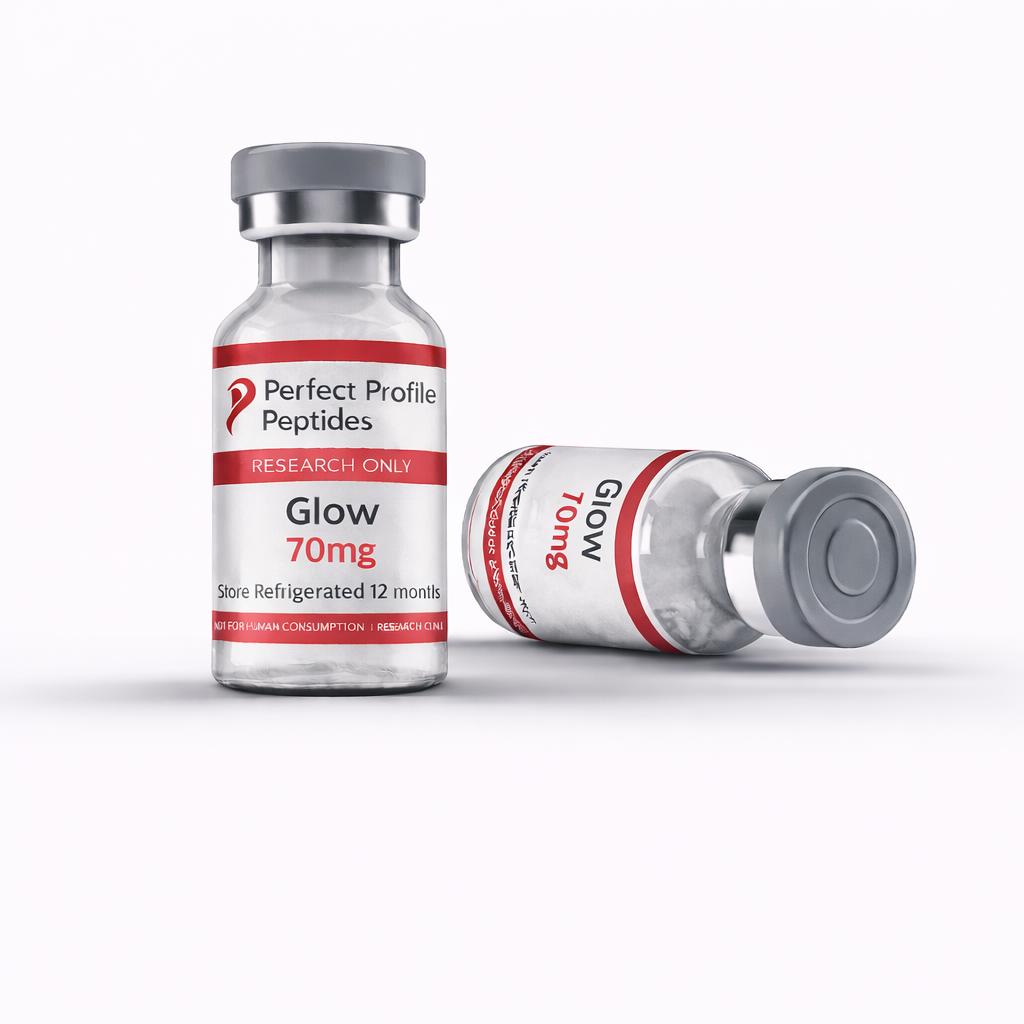
Glow Blend combines GHK-Cu (50mg), BPC-157 (10mg), and TB-500 (10mg)—three research peptides known for their regenerative, skin-rejuvenating, and tissue-repairing potential.
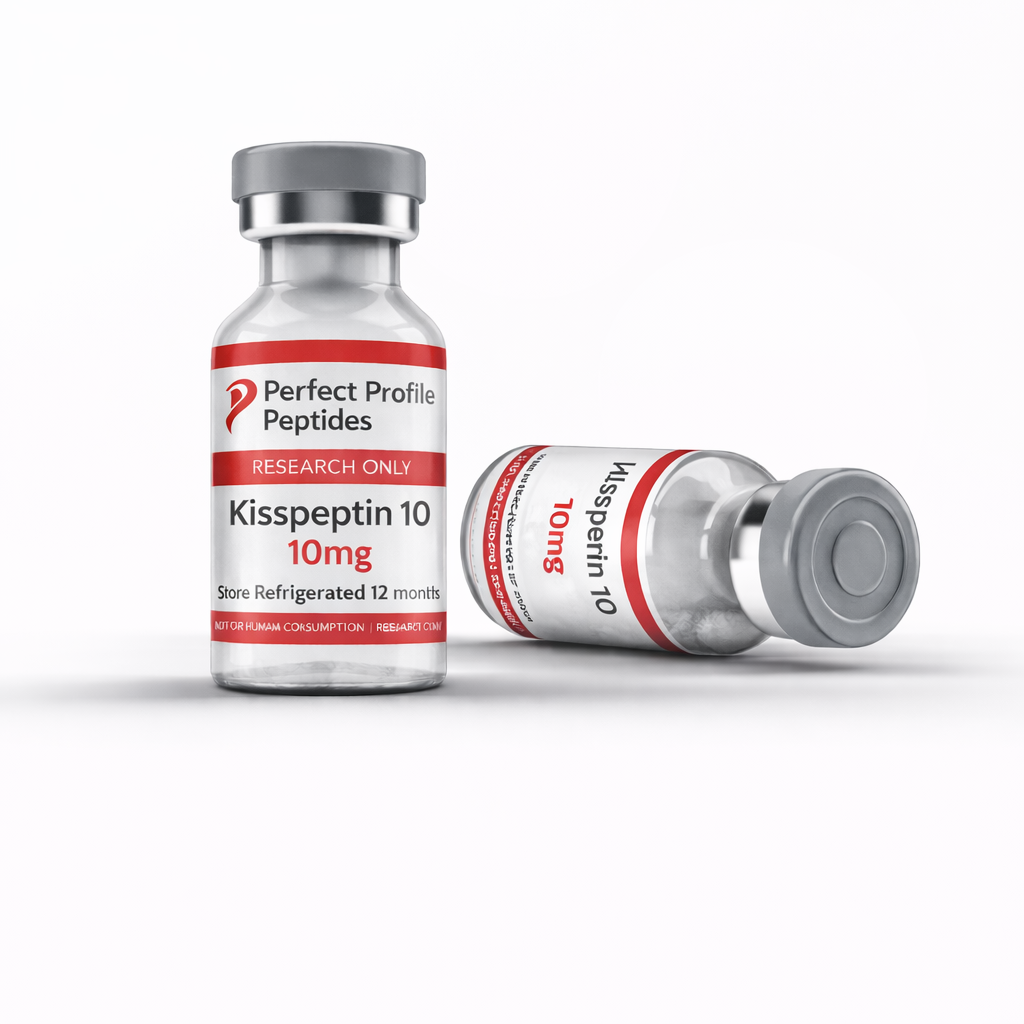
Here's original product copy for Kisspeptin-10 under the Perfect Profile Peptides brand:
Kisspeptin-10 | Research Peptide
Kisspeptin-10 is a synthetic decapeptide corresponding to the C-terminal region of the endogenous KiSS-1 gene product. As the minimal bioactive fragment of the kisspeptin family, it is widely used in research settings to study kisspeptin-mediated signalling independently of longer precursor peptides, making it a precise and well-characterised molecular tool for neuroendocrine research.
In biochemical and cellular research systems, Kisspeptin-10 interacts with the KISS1 receptor (GPR54), a G-protein-coupled receptor expressed across hypothalamic and peripheral tissues. Experimental studies investigate receptor binding dynamics, downstream signalling cascades, and neuroendocrine pathway activation under controlled conditions. Observed molecular responses are dependent on experimental design, receptor expression levels, concentration, and model system.
Research Applications
Kisspeptin-10 is employed as a molecular probe across a range of neuroendocrinology and reproductive signalling research contexts, including studies into KISS1 receptor binding and activation, hypothalamic-pituitary-gonadal (HPG) axis signalling pathways, neuropeptide-mediated G-protein-coupled receptor signalling, and downstream neuroendocrine cascade activity. It is also used as a reference compound in reproductive and hypothalamic signalling research. Neuropeptide signalling responses can vary significantly across model systems, and appropriate controls are recommended to distinguish receptor-specific from non-specific effects.
Reconstitution
Reconstitute in sterile water or a suitable buffered aqueous solution under dry conditions — the peptide is hygroscopic and should be handled accordingly. Mix gently and avoid vigorous agitation. Filter sterilise through a 0.22 µm membrane if required prior to use. Once reconstituted, aliquot into single-use volumes and store at −20°C or below. Avoid repeated freeze-thaw cycles to preserve peptide integrity.
Important Notice
All products supplied by Perfect Profile Peptides are intended strictly for in vitro and laboratory research use only. They are not suitable for human or veterinary administration and should be handled in accordance with standard laboratory safety protocols.
Disclaimer for Perfect Profile Peptides
By purchasing from Perfect Profile Peptides™, you acknowledge and agree to the following terms:
Research Use Only: All products are exclusively sold for research purposes. They are not intended for human use, therapeutic, diagnostic, or clinical application.
Not Medical Products: None of the products listed on our website are medical products, nor should they be marketed or used as such.
Compliance and Responsibility: The buyer is responsible for ensuring compliance with all relevant laws and regulations. Perfect Profile Peptides™ holds no liability for misuse of products or any adverse outcomes.
No Returns: Due to the nature of the products we sell, we do not accept returned products.
Your purchase signifies your understanding and agreement to these terms
Contact Us
Have any questions about our Peptides?