
 Image 1 of 1
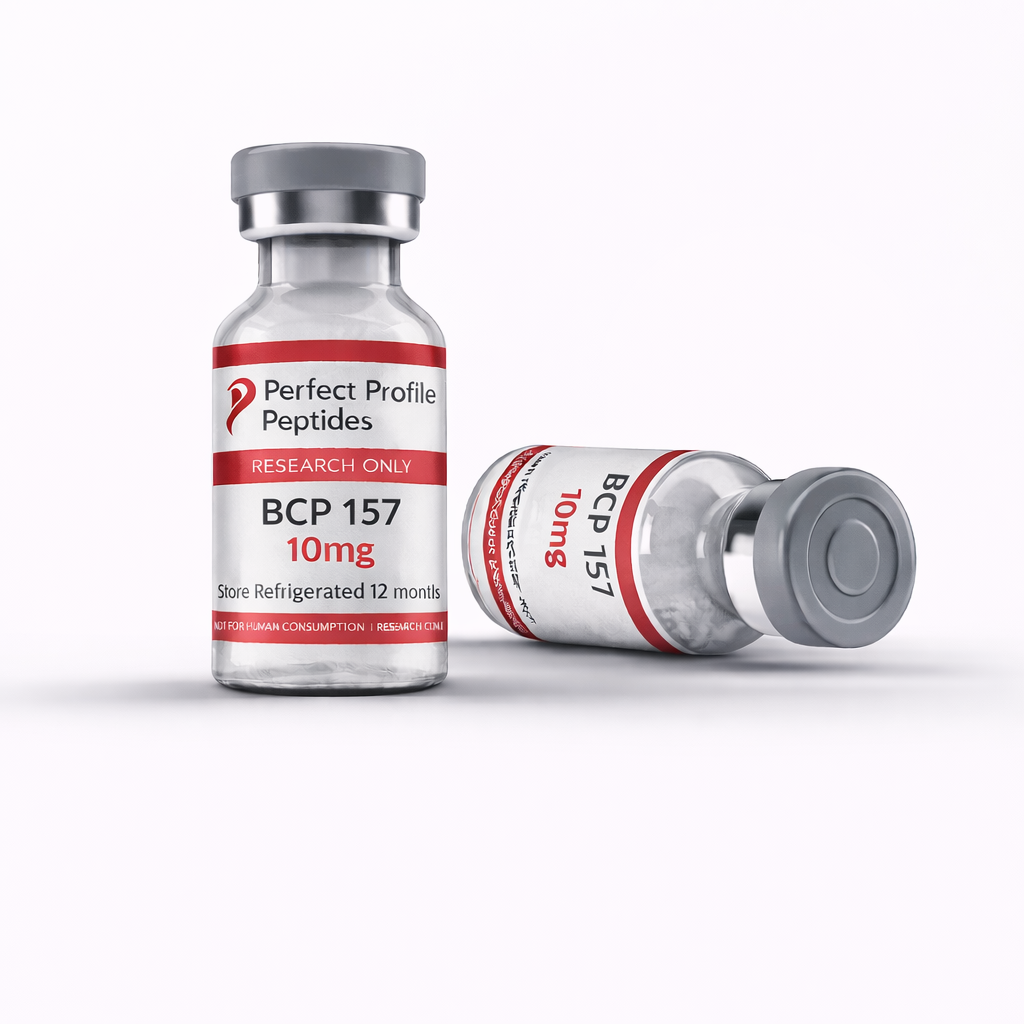
BPC-157 is a synthetic pentadecapeptide consisting of fifteen amino acids, corresponding to a defined sequence originally identified within a gastric-derived protein. As a discrete, reproducible compound with well-characterised physicochemical properties, it is used across biochemical, cellular, and preclinical experimental systems as a molecular probe for investigating short peptide-mediated signalling behaviour.
In research models, BPC-157 has been reported to interact with multiple intracellular signalling pathways, including nitric oxide-associated mechanisms, growth factor-related signalling, and cytoskeletal regulatory processes. Observed responses are highly dependent on experimental conditions, concentration, exposure duration, and model system, and findings should be interpreted accordingly.
Research Applications
BPC-157 is employed as a molecular tool across a range of in vitro and preclinical research contexts, including studies into short peptide-mediated signalling pathways, intracellular signalling networks involving nitric oxide and growth factor-related mechanisms, cytoskeletal organisation, and cell-matrix interaction dynamics. Due to its reported interaction with multiple signalling pathways, it is particularly useful in mechanistic investigations of oligopeptide signalling behaviour where broader pathway mapping is the research objective.
Reconstitution
Reconstitute in sterile water or a suitable buffered aqueous solution under dry conditions — the peptide is hygroscopic and should be handled accordingly. Mix gently and avoid vigorous agitation. Filter sterilise through a 0.22 µm membrane if required prior to use. Once reconstituted, aliquot into single-use volumes and store at −20°C or below. Avoid repeated freeze-thaw cycles and prolonged exposure to light or elevated temperatures, as these will reduce stability.
Additional Notes
BPC-157 (PL-14736) is listed by the World Anti-Doping Agency (WADA) under the S0 category of prohibited substances as of 2022. This designation relates to competitive sport regulation and is entirely separate from its status as a laboratory research compound.
Due to its reported interaction with multiple signalling pathways, appropriate experimental controls are strongly recommended when designing assays using this compound.
Important Notice
All products supplied by Perfect Profile Peptides are intended strictly for in vitro and laboratory research use only. They are not suitable for human or veterinary administration and should be handled in accordance with standard laboratory safety protocols.
BPC-157 is a synthetic pentadecapeptide consisting of fifteen amino acids, corresponding to a defined sequence originally identified within a gastric-derived protein. As a discrete, reproducible compound with well-characterised physicochemical properties, it is used across biochemical, cellular, and preclinical experimental systems as a molecular probe for investigating short peptide-mediated signalling behaviour.
In research models, BPC-157 has been reported to interact with multiple intracellular signalling pathways, including nitric oxide-associated mechanisms, growth factor-related signalling, and cytoskeletal regulatory processes. Observed responses are highly dependent on experimental conditions, concentration, exposure duration, and model system, and findings should be interpreted accordingly.
Research Applications
BPC-157 is employed as a molecular tool across a range of in vitro and preclinical research contexts, including studies into short peptide-mediated signalling pathways, intracellular signalling networks involving nitric oxide and growth factor-related mechanisms, cytoskeletal organisation, and cell-matrix interaction dynamics. Due to its reported interaction with multiple signalling pathways, it is particularly useful in mechanistic investigations of oligopeptide signalling behaviour where broader pathway mapping is the research objective.
Reconstitution
Reconstitute in sterile water or a suitable buffered aqueous solution under dry conditions — the peptide is hygroscopic and should be handled accordingly. Mix gently and avoid vigorous agitation. Filter sterilise through a 0.22 µm membrane if required prior to use. Once reconstituted, aliquot into single-use volumes and store at −20°C or below. Avoid repeated freeze-thaw cycles and prolonged exposure to light or elevated temperatures, as these will reduce stability.
Additional Notes
BPC-157 (PL-14736) is listed by the World Anti-Doping Agency (WADA) under the S0 category of prohibited substances as of 2022. This designation relates to competitive sport regulation and is entirely separate from its status as a laboratory research compound.
Due to its reported interaction with multiple signalling pathways, appropriate experimental controls are strongly recommended when designing assays using this compound.
Important Notice
All products supplied by Perfect Profile Peptides are intended strictly for in vitro and laboratory research use only. They are not suitable for human or veterinary administration and should be handled in accordance with standard laboratory safety protocols.